Vertigo Treatment Insights: The Rising Concentrate on Balance Rehabilitation
Balance health is becoming an increasingly crucial section of sustaining a dynamic and independent lifestyle. From walking and exercising to turning the pinnacle and navigating busy situations, secure motion influences many everyday activities. Professional vertigo treatment is increasingly devoted to customized review, practical development, and practical strategies that support persons feel well informed in their movement. At Dizzy & Vertigo , that patient-focused perception helps an optimistic method of knowledge and handling balance concerns. Personalized care is shaping modern vertigo management One of the most apparent developments in balance care may be the growing increased exposure of personal needs. Vertigo may present differently from one person to another, so a customized strategy can offer a far more relevant path for care. Factors such as for example symptom styles, motion behaviors, task levels, lifestyle, and personal targets can all contribute to an individual's experience. Considering these aspects helps produce a attention technique that connects professional suggestions with real-world needs.

Balance assessment provides valuable insight The body's balance program is a sophisticated system relating to the internal ear, vision, muscles, joints, and brain. These programs constantly change data to greatly help the human body realize place and movement. A professional balance assessment may examine how these methods function together. That broader perspective can help identify movement patterns and provide of good use information for building an appropriate treatment plan. Movement-based care remains an important trend Modern vertigo care areas powerful price on purposeful movement. According to personal wants, treatment may include activities developed to boost balance , control, aesthetic stability, strolling power, or comfort with mind movement. The emphasis is on controlled and ideal progression. As motion becomes more familiar, persons might build greater self-confidence performing actions that are essential for their routines. Everyday function is an important measure of progress Development in vertigo care is not restricted to changes in symptoms. Sensible changes can be similarly meaningful. Walking more easily, turning with larger self-confidence, time for chosen actions, or feeling better while getting around the house may all signify good changes. This functional strategy maintains treatment attached to the patient's life style as opposed to concentrating just on scientific measurements. Education is becoming a central part of care Understanding how the balance program operates could make the treatment trip more meaningful. Obvious training will help persons realize how various activities and situations interact with their balance responses. Understanding also can encourage effective involvement in care. When persons realize the purpose behind skilled suggestions, they could method their treatment strategy with higher self-confidence and consistency.
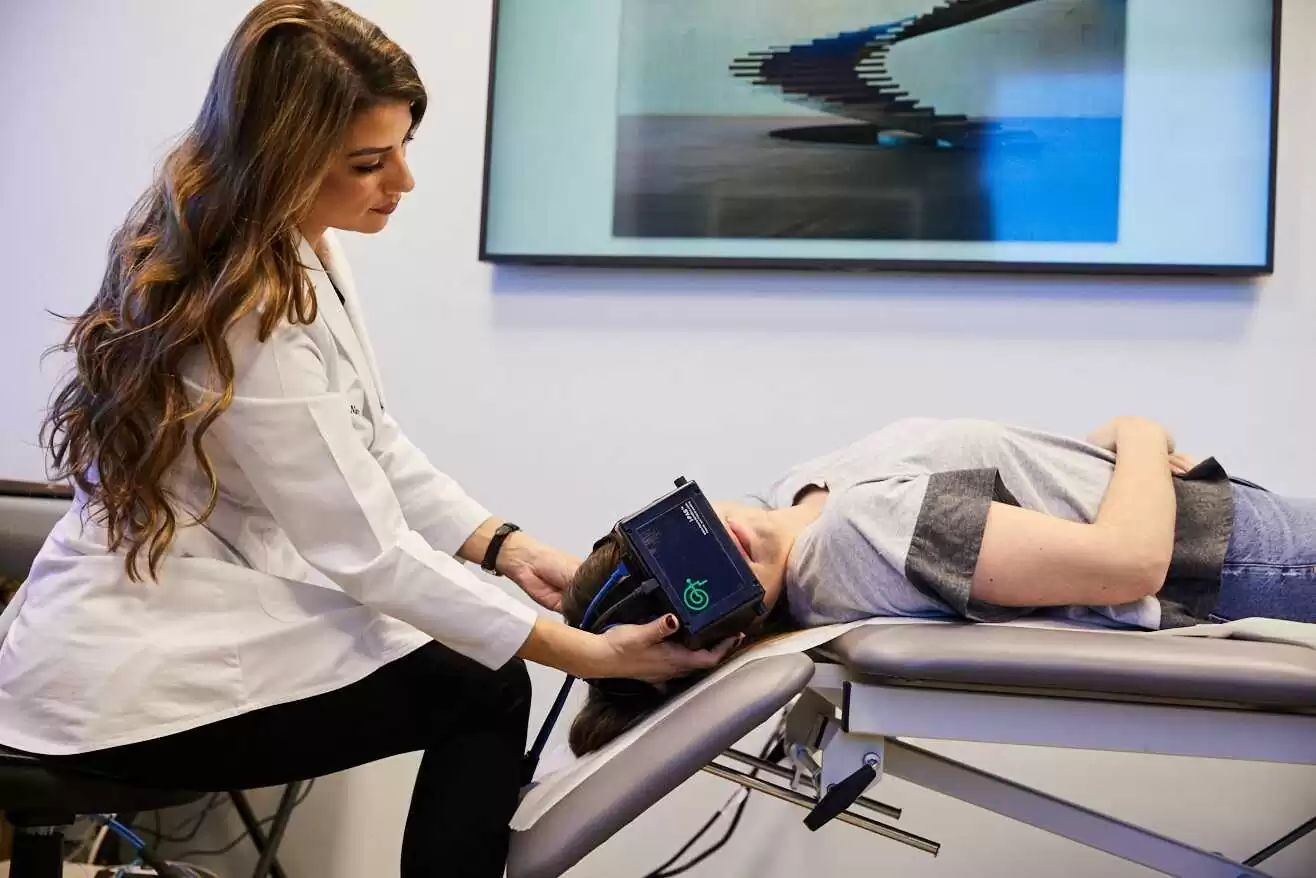
Technology is supporting more personalized approaches Improvements in healthcare technology keep on to supply experts with extra ways to evaluate motion and balance. Modern evaluation techniques may subscribe to a more detailed understanding of an individual's useful performance. These developments complement qualified experience and help help a far more organized, individualized way of balance care. Positive lifestyle habits complement professional care Balanced everyday exercises can help over all bodily well-being and inspire extended proposal with appropriate activities. Maintaining standard action, following an individualized attention plan, and staying mindful of balance wellness may subscribe to long-term confidence. The mixture of professional guidance and positive lifestyle behaviors creates a strong basis for extended progress. Conclusion Recent vertigo treatment is increasingly centered on personalization, functional objectives, action confidence, training, and detailed balance assessment. These styles reveal a broader commitment to supporting persons participate more pleasantly in daily life. Dizzy & Vertigo takes a skilled, patient-centered approach that emphasizes understanding, individualized care, and good progress toward greater balance and action confidence.